


IG Review for India 2026: RBI Alert List, Regulation, Login, and Forex Risk
IG review for India in 2026: see the RBI Alert List entry, overseas regulation, login checks, forex limits, and a clear broker safety checklist.
Original

简体中文
繁體中文
English
Pусский
日本語
ภาษาไทย
Tiếng Việt
Bahasa Indonesia
Español
हिन्दी
Filippiiniläinen
Français
Deutsch
Português
Türkçe
한국어
العربية
اردو




Abstract:For traders, understanding what happens when a broker collapses is crucial. It serves as a reminder that choosing the right broker involves more than just attractive spreads and swift execution; it’s about safeguarding funds in case things go wrong.
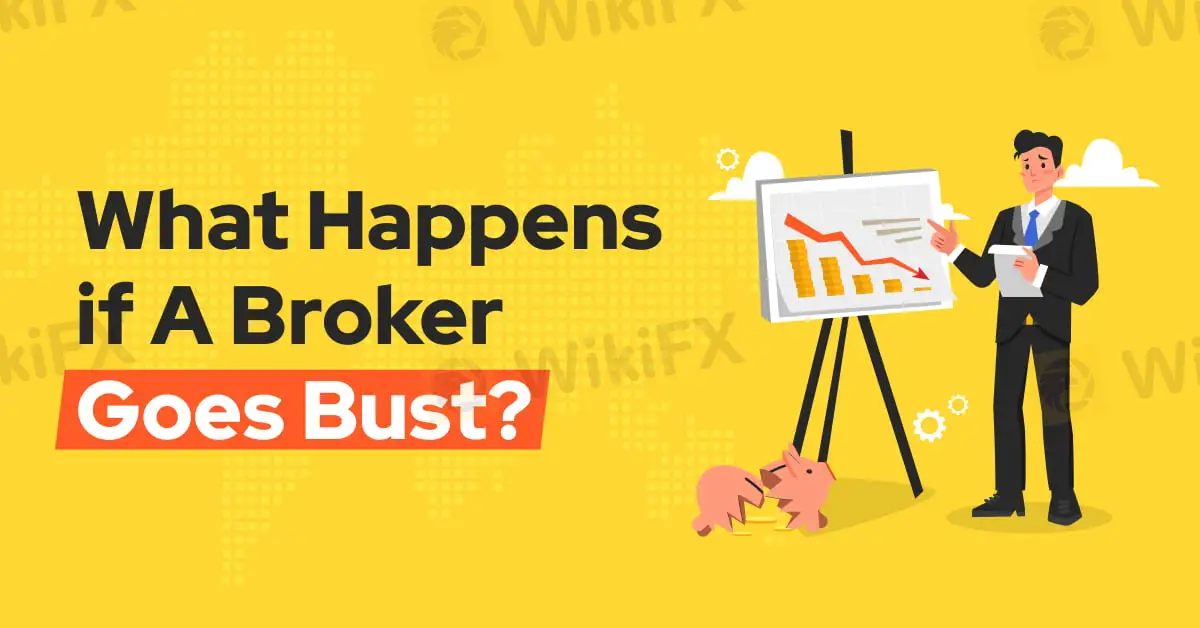
In the fast-paced world of forex and cryptocurrency trading, few traders anticipate the possibility that their broker could go bust. Yet, it‘s a reality in the financial industry. Brokers can face financial trouble for various reasons, including mismanagement, insolvency, and regulatory issues. For traders, understanding what happens when a broker collapses is crucial. It serves as a reminder that choosing the right broker involves more than just attractive spreads and swift execution; it’s about safeguarding funds in case things go wrong.
When a broker goes bust, it generally means the firm can no longer fulfil its financial obligations. This could lead to bankruptcy or the broker being forced to shut down by regulators. The primary risk for traders in this situation is the potential loss of their funds held in accounts with the broker. If a broker is insolvent, its liabilities might exceed its assets, putting client funds at risk unless proper measures are in place.

The impact on traders‘ funds largely depends on how the broker manages client money. Many reputable brokers maintain segregated accounts, meaning client funds are kept separate from the broker’s operating funds. This arrangement offers some protection, as these funds cannot be used to pay the brokers debts. However, not all brokers use segregated accounts, particularly in loosely regulated markets, which could leave traders in a vulnerable position.
In the forex and cryptocurrency sectors, insurance schemes and protections are limited. Some jurisdictions, like the UK, have compensation programs such as the Financial Services Compensation Scheme (FSCS) that reimburse traders in case of a brokers insolvency, up to a certain amount. However, traders using brokers based in jurisdictions without such protection may not have the same safeguards.
If a broker declares bankruptcy or is shut down, regulators or an appointed administrator will assess the firms financials. In cases where client funds are segregated, clients may eventually receive their balances, though this process can take weeks, months, or even years. Traders might need to file claims for their funds, a time-consuming process that requires proper documentation.
Without segregated accounts or regulatory protection, recovering funds becomes significantly harder. In these cases, traders join the list of creditors seeking repayment from any remaining assets of the broker. However, clients are often among the last to be paid after tax authorities, employees, and other prioritized creditors.
Although traders cannot control whether a broker stays solvent, there are steps to minimize risks:
The collapse of a broker is rare but not impossible. As with trading strategies, risk management is essential when choosing a broker. Understanding the implications of a broker going bust should prompt traders to carefully consider whom they entrust with their funds. In a landscape where losses can already happen due to market volatility, dont let avoidable risks compound the challenge. A little caution can go a long way in safeguarding your trading capital.
To help protect individuals, WikiFX offers essential tools and resources for verifying the legitimacy of brokers and financial platforms. With an extensive database of global broker profiles, regulatory status updates, and user reviews, WikiFX empowers users to make informed decisions before committing to any financial investment. The apps risk ratings and alerts for unlicensed or suspicious entities enable investors to easily spot red flags and avoid potential scams. By checking a broker's background on WikiFX, users can better safeguard their hard-earned savings and steer clear of fraudulent schemes, making WikiFX an indispensable resource for safer investing.

Disclaimer:
The views in this article only represent the author's personal views, and do not constitute investment advice on this platform. This platform does not guarantee the accuracy, completeness and timeliness of the information in the article, and will not be liable for any loss caused by the use of or reliance on the information in the article.
IG review for India in 2026: see the RBI Alert List entry, overseas regulation, login checks, forex limits, and a clear broker safety checklist.

Orbex, a Cyprus-based brokerage entity, has recorded 30 exposure complaints on WikiFX, a leading forex broker regulation inquiry tool, so far. Other review websites have also recorded a healthy number of complaints against the brokerage firm. These complaints largely talk about the alleged profit confiscations by the broker in the name of trading violations, difficulty in accessing fund withdrawals, capital losses due to artificial slippage, etc. In this Orbex review, we have investigated user complaints and provided a regulatory overview of the broker.
FCA warns Swift TradeX in a notice first published and updated on 1 September 2026. The UK Financial Conduct Authority says the firm may be providing or promoting financial services without permission, is not authorised, and may be targeting people in the UK. The notice names the website swifttradexai.com, a Worcester address and a UK telephone number, but also cautions that unauthorised businesses may use incorrect or borrowed contact details. The confirmed issue is authorisation status—not a court finding about every transaction. Anyone considering a payment should stop, verify the firm independently, and avoid using contact information supplied by the platform itself.
ThinkMarkets review for India: check the RBI Alert List, overseas entities, regulation, login security, forex rules, costs, withdrawals, and leverage risk.
WikiFXWikiFXWikiFXWikiFXWikiFXWikiFXWikiFXWikiFXWikiFXWikiFX