


IG Review for India 2026: RBI Alert List, Regulation, Login, and Forex Risk
IG review for India in 2026: see the RBI Alert List entry, overseas regulation, login checks, forex limits, and a clear broker safety checklist.
Original

简体中文
繁體中文
English
Pусский
日本語
ภาษาไทย
Tiếng Việt
Bahasa Indonesia
Español
हिन्दी
Filippiiniläinen
Français
Deutsch
Português
Türkçe
한국어
العربية
اردو




Abstract:The CFTC has filed a lawsuit against individuals and firms for a $280M Ponzi scheme, highlighting efforts to combat large-scale fraud in global commodity trading.
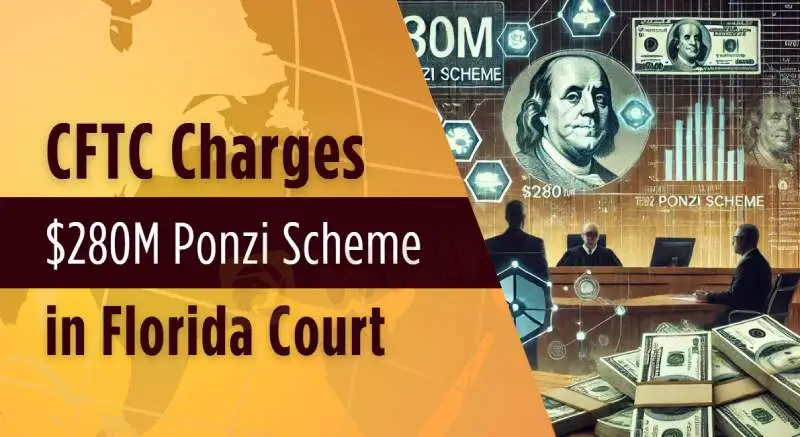
The Commodity Futures Trading Commission (CFTC) has filed a civil enforcement case in the Southern District of Florida, alleging a number of persons and corporations of organizing a $280 million Ponzi scam. This action emphasizes the continuous efforts to prevent large-scale commodities fraud and unlawful trading.
 Contents
The action is against Traders Domain
The CFTC claims that these people and businesses solicited more than $283 million from over 2,000 naïve clients. Investors were misled into thinking their funds were being utilized in leveraged or margined commodities transactions, such as gold-to-USD pairings (XAU/USD), while the defendants surreptitiously plundered the funds for personal gain.
The lawsuit describes how the scam, which started in November 2019, continues to this day. The defendants devised a sophisticated Ponzi scheme, using many layers of middlemen to mislead investors and conceal the actual nature of their activities. These sponsors, who were often individuals or small businesses, gave the plan a veneer of legality while diverting investor monies to their own wallets.
Algo Capital and Quant5 Advisor were key actors in the hoax, with agents such as John Fortini of North Miami and Stephen Likos of Sunny Isles Beach playing an important role in soliciting investors. Despite obvious red flags, these agents persisted in luring clients into their fraudulent plan. The network stretched beyond U.S. borders, with Centurion Capital Group Inc. in Florida and agents such as Alejandro Santiestaban (Alex Santi) and Gabriel Beltran from Hialeah, Florida, being extensively engaged.
Customers encountered progressively significant waits while seeking to withdraw cash as the Ponzi scam collapsed. To preserve the appearance of solvency, the defendants offered contradicting and ambiguous answers while continuing to recruit new investors, therefore perpetuating the deception.
The CFTC is pursuing severe penalties, including the return of fraudulently acquired gains, civil fines, and full compensation for misled investors. They are also requesting trading bans and registration to prevent these people from participating in future commodities trading.
On October 3, U.S. District Judge Roy K. Altman issued a statutory restraining order freezing the defendants' assets and providing the CFTC instant access to their financial documents. A preliminary injunction hearing is scheduled on October 29 to decide the next steps in the lawsuit.
Individuals are highly encouraged by the CFTC to report any suspicious actions or suspected fraud linked to commodities trading. The National Futures Association's (NFA) BASIC database allows investors to review firm registrations. Whistleblowers are also incentivized by the CFTC, which offers compensation ranging from 10% to 30% of the monetary penalty collected from wrongdoers.
Furthermore, the CFTC has issued various advisory, like the Commodity Pool Fraud Advisory, to educate the public about the dangers of unregistered investment schemes.
The CFTC's robust action against Traders Domain FX LTD and its affiliates underscores the growing danger of Ponzi schemes and other fraudulent activity in the commodities trading industry. The agency's goal is to safeguard investors, ensure industry compliance, and discourage future fraud by implementing harsh fines and punishments. Financial experts, legal advisors, and compliance officials must be on the lookout for warning indicators, especially in operations involving complicated trading systems.
This case emphasizes the need for robust collaboration among authorities in several countries, notably the United States, Canada, and other Caribbean nations, in confronting and dismantling large-scale financial fraud organizations.
Stay informed on the latest developments in financial fraud and Ponzi schemes. Visit news.html" target="_self" style="color: rgb(46, 82, 153);">WikiFX News for in-depth coverage of the $280M CFTC case and more!

Disclaimer:
The views in this article only represent the author's personal views, and do not constitute investment advice on this platform. This platform does not guarantee the accuracy, completeness and timeliness of the information in the article, and will not be liable for any loss caused by the use of or reliance on the information in the article.
IG review for India in 2026: see the RBI Alert List entry, overseas regulation, login checks, forex limits, and a clear broker safety checklist.

Orbex, a Cyprus-based brokerage entity, has recorded 30 exposure complaints on WikiFX, a leading forex broker regulation inquiry tool, so far. Other review websites have also recorded a healthy number of complaints against the brokerage firm. These complaints largely talk about the alleged profit confiscations by the broker in the name of trading violations, difficulty in accessing fund withdrawals, capital losses due to artificial slippage, etc. In this Orbex review, we have investigated user complaints and provided a regulatory overview of the broker.
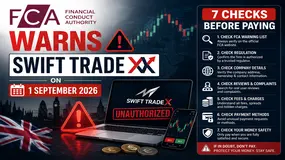
FCA warns Swift TradeX in a notice first published and updated on 1 September 2026. The UK Financial Conduct Authority says the firm may be providing or promoting financial services without permission, is not authorised, and may be targeting people in the UK. The notice names the website swifttradexai.com, a Worcester address and a UK telephone number, but also cautions that unauthorised businesses may use incorrect or borrowed contact details. The confirmed issue is authorisation status—not a court finding about every transaction. Anyone considering a payment should stop, verify the firm independently, and avoid using contact information supplied by the platform itself.
ThinkMarkets review for India: check the RBI Alert List, overseas entities, regulation, login security, forex rules, costs, withdrawals, and leverage risk.
WikiFXWikiFXWikiFXWikiFXWikiFXWikiFXWikiFXWikiFXWikiFXWikiFX