

Global Broker Regulation Inquiry App
About WikiFX
English
简体中文
繁體中文
English
Pусский
日本語
ภาษาไทย
Tiếng Việt
Bahasa Indonesia
Español
हिन्दी
Filippiiniläinen
Français
Deutsch
Português
Türkçe
한국어
العربية
اردو


U.S. August Nonfarm Payrolls Are In — It’s Too Early to Turn Optimistic


Abstract:[Figure 1: U.S. Market Overview]The August nonfarm payrolls report delivered another major surprise. The U.S. economy added 162,000 jobs, roughly three times the consensus estimate, showing that the l

[Figure 1: U.S. Market Overview]
The August nonfarm payrolls report delivered another major surprise. The U.S. economy added 162,000 jobs, roughly three times the consensus estimate, showing that the labor market remains far more resilient than many investors had feared.
Fed funds futures quickly pushed the probability of a September rate hike back to around 60%. U.S. equities extended their losing streak, Treasury yields rose across the curve, and gold came under pressure.
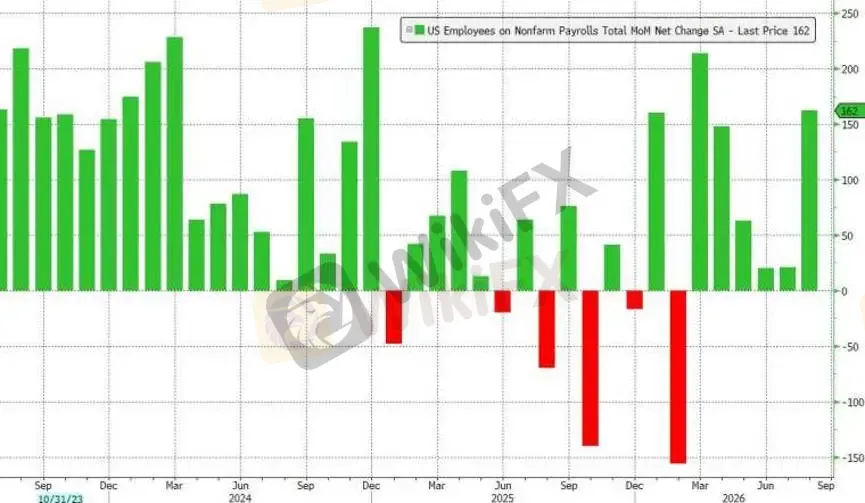
[Figure 2: U.S. August Nonfarm Payrolls Data]
Just days ago, Christopher Waller signaled that he was inclined to keep rates unchanged. The latest payroll report, however, delivered a distinctly hawkish message.
Financial activities and information services shed a combined 34,000 jobs, potentially reflecting some AI-driven labor displacement. Meanwhile, construction, manufacturing, and utilities, sectors closely tied to data centers and power infrastructure, remained relatively strong.
The AI investment boom is reshaping the labor market, eliminating some jobs while creating new infrastructure-related positions.
More importantly, high interest rates have yet to meaningfully restrain credit. Bank lending continues to expand despite higher borrowing costs, while net issuance of investment-grade corporate bonds increased in August. Credit spreads remain tight, and corporate earnings are still growing by more than 20% year over year.
This is not a textbook case of high rates suppressing demand. Companies are still borrowing and investing, particularly in AI-related capital expenditures.
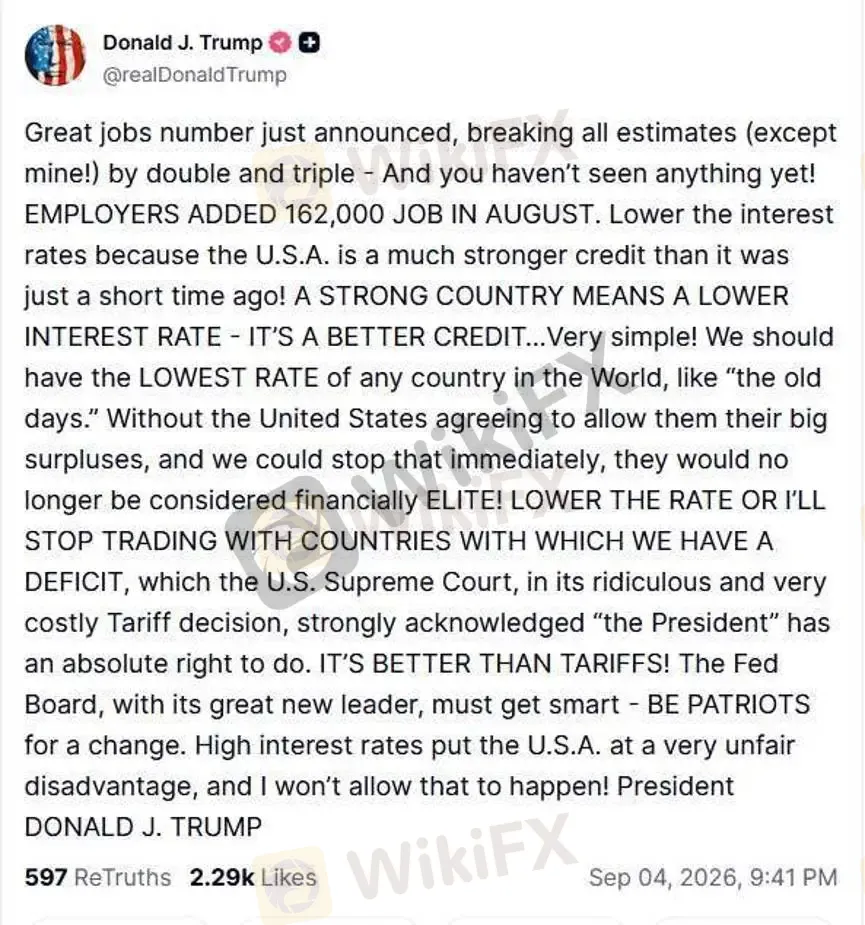
[Figure 3: Trump’s View on Interest Rate Cuts]
The payroll report has pushed my September outlook somewhat further in the hawkish direction.
Waller previously said that if the data continued to improve, he would be inclined to leave rates unchanged. With employment clearly holding up, next weeks CPI report is now the critical test.
If inflation also comes in hot, particularly as higher oil prices and tight refined-product markets feed through, the Fed will have even less room to ease. Warsh has also made his position clear and is unlikely to put himself on the losing side of a policy vote.
That said, I am not turning outright bearish.
Long-term Treasury yields are elevated, but credit spreads remain tight and downside protection on risk assets is still relatively inexpensive. Markets continue to believe that corporate balance sheets can withstand the pressure. AI infrastructure spending is also providing genuine support to the economy and is unlikely to collapse simply because rates move somewhat higher.
My positioning is more cautious than last week:
Gold: The rally has gone too far, too fast. Speculative buying is at a decade high, while net-long positioning is already elevated. Stronger payrolls and rising real yields could increase near-term downside pressure. I would not chase gold here, although its longer-term role as a hedge against fiscal and geopolitical risks remains intact.
Technology stocks: Highly leveraged companies with negative free cash flow and heavy capital expenditure requirements are more vulnerable to higher rates. AI demand is real, but rising financing costs could force markets to reassess valuations. Lower-beta companies with stable cash flows may be better positioned.
Cash and short-duration bonds: I would modestly increase exposure and wait for next weeks CPI report before making larger adjustments. Chasing the market higher or becoming excessively bearish could both backfire.
Meanwhile, U.S.-Iran tensions remain a key inflation risk. Escalating conflict, higher oil prices, and record refining margins could eventually feed into consumer prices.
The payroll report confirms that the U.S. economy remains resilient, but geopolitics has complicated the inflation outlook. The Fed is caught between two forces: employment remains too strong to justify aggressive easing, while externally driven inflation makes the policy path increasingly difficult.
Next weeks CPI report will be crucial. For now, I would rather watch and wait for a clearer signal before adjusting positions.
Risk DisclosureThe views, analysis, research, prices, and other information above are provided for general market commentary only and do not represent the position of this platform. Anyone relying on this information does so at their own risk. Please exercise caution when trading.
Disclaimer:
The views in this article only represent the author's personal views, and do not constitute investment advice on this platform. This platform does not guarantee the accuracy, completeness and timeliness of the information in the article, and will not be liable for any loss caused by the use of or reliance on the information in the article.
WikiFX Broker
Latest News
Liquid Network Suffers from a US$320 Million Bitcoin Hack
 WikiFX
British Pound climbs as USD fades, Hormuz risk keeps Fed in play
WikiFXAustralian Dollar drifts higher above 0.7200 despite as strong US NFP
WikiFXThai Baht: Recent THB gains face headwinds – OCBC
WikiFXDo You Know Your Cost of Swinging Gold? Gold CFD Costs Shift From Spreads To Overnight Fees
WikiFXBlackwell Global UK Loss Widens as Revenue Falls 37%
WikiFXOANDA Is Shutting Down MT4 Trading by 25 September 2026
WikiFXAustralian Dollar rides thin-trading lift as Fed test looms
WikiFXVietnam: Inflation and trade trends shape VND – Commerzbank
WikiFXSwiss Franc weakens as US Dollar strengthens on Fed rate hike bets
WikiFX