


India Q1 FY27 GDP Growth Hits 7.8%: 3 Scenarios for INR and Gold
India's Q1 FY27 GDP grew 7.8%, beating a 7.4% poll and RBI's 7.0% projection. See three conditional scenarios for INR, rates and gold.
Original

简体中文
繁體中文
English
Pусский
日本語
ภาษาไทย
Tiếng Việt
Bahasa Indonesia
Español
हिन्दी
Filippiiniläinen
Français
Deutsch
Português
Türkçe
한국어
العربية
اردو




Abstract:Discover why Forex traders need VPS for stable trading—better uptime, faster execution, and reliability compared to regular hosting. Choose the right VPS for optimal performance.
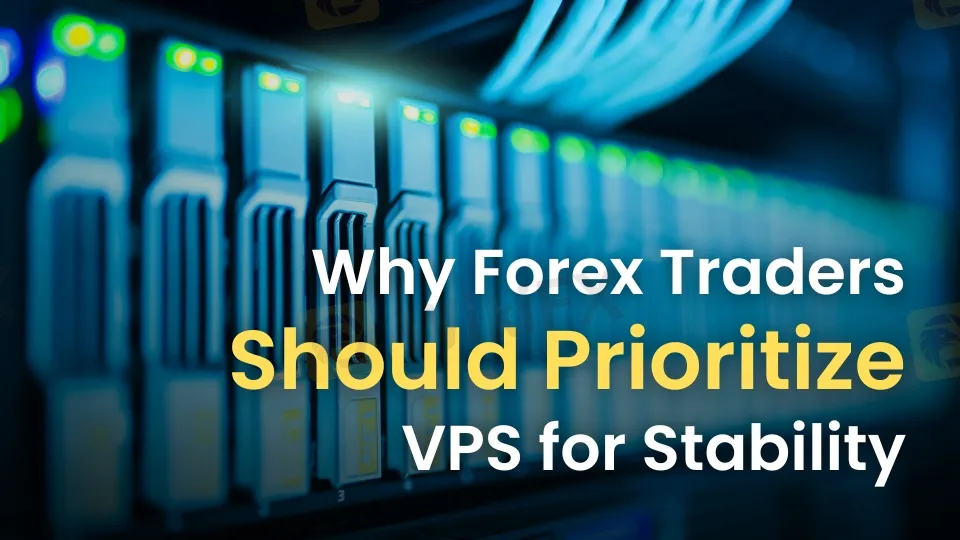
In the fast-paced world of Forex trading, every millisecond counts. A stable and uninterrupted trading environment is crucial for executing trades efficiently, minimizing slippage, and ensuring consistent performance. This is where a Virtual Private Server (VPS) becomes indispensable. Unlike traditional hosting solutions, a VPS provides dedicated resources, low-latency connectivity, and 24/7 uptime—critical factors for automated trading strategies and high-frequency trading. In this article, we explore why Forex traders should prioritize VPS for stability, covering its benefits, performance advantages, and how to choose the best VPS for trading needs.
Benefits of VPS for Forex Trading Efficiency
A VPS enhances trading efficiency in several key ways:
For traders using MetaTrader 4/5 (MT4/MT5), a VPS ensures uninterrupted strategy execution, eliminating risks from local internet outages or power failures.
How VPS Ensures Better Uptime for Traders
Forex markets operate 24/5, and even a brief disconnection can lead to missed opportunities or losses. A VPS mitigates these risks by:
Traders relying on scalping or algorithmic strategies particularly benefit from near-100% uptime, as even a few seconds of downtime can impact profitability.
VPS vs. Regular Hosting for Forex Trading
| Feature | VPS Hosting | Regular Shared Hosting |
| Resource Allocation | Dedicated CPU/RAM | Shared leading to potential slowdowns |
| Uptime | 99.9%+ guaranteed | Variable depends on shared server load |
| Latency | Optimized for low latency (~1-5ms to brokers) | Higher latency due to shared traffic |
| Security | Isolated environment enhanced encryption | Vulnerable to neighboring sites breaches |
| Cost | Slightly higher (but justified for trading) | Cheaper but unreliable for trading |
For serious traders, the slight additional cost of a VPS is negligible compared to the potential losses from slippage or missed trades on shared hosting.
Impact of VPS on Forex Trade Execution Speed
Trade execution speed is critical in Forex, especially for:
A VPS typically reduces ping times to under 5ms when hosted in the same data center as the broker, compared to 50-200ms+ on a home connection. This difference can mean capturing the best prices before the market moves.
Choosing the Right VPS for Forex Stability
Not all VPS services are equal. Key selection criteria include:
Many brokers offer free VPS services for clients meeting minimum trade volume requirements—exploring these can be cost-effective.
Conclusion
For Forex traders, a VPS is not just a luxury but a necessity for maintaining competitive edge. From ensuring uninterrupted uptime to maximizing execution speed, a VPS provides the stability required for both manual and algorithmic trading. By selecting a high-performance VPS tailored to Forex needs, traders can mitigate risks, reduce latency, and enhance overall profitability. In an industry where every tick counts, investing in a reliable VPS is a strategic move toward consistent trading success.

Disclaimer:
The views in this article only represent the author's personal views, and do not constitute investment advice on this platform. This platform does not guarantee the accuracy, completeness and timeliness of the information in the article, and will not be liable for any loss caused by the use of or reliance on the information in the article.
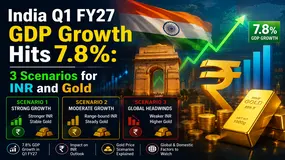
India's Q1 FY27 GDP grew 7.8%, beating a 7.4% poll and RBI's 7.0% projection. See three conditional scenarios for INR, rates and gold.
Choosing a forex liquidity provider is not a search for the lowest displayed spread or the longest provider list. It is a broker decision about pricing integrity, depth, routing, credit, reporting, incident response, and client communication. This 2026 guide explains how a forex LP, FX liquidity provider, or liquidity provider forex arrangement fits into a broker’s execution chain; what to test before onboarding; why a “best forex liquidity provider” claim cannot replace due diligence; and how to compare cost beyond commission. Use the execution-quality scorecard, provider questions, routing scenarios, and 90-day onboarding plan to assess whether a liquidity relationship can support your actual client mix, instruments, risk model, and jurisdiction. The goal is not to make a universal ranking. It is to build evidence that your broker can explain, supervise, reconcile, and recover its execution service when market conditions are difficult.

A forex brokerage launch can look like the fastest route to a modern branded trading environment, but a fast launch is not the same as a controlled launch. This 2026 broker guide explains what the broker platform is, where a technology provider broker solution can sit in a wider operating stack, and how to evaluate the difference between a white label, a server license, and a connected CRM or Client Office setup. It also unpacks broker startup costs beyond the monthly headline, including implementation, integration, support, data, governance, migration, and exit assumptions. Use the practical questions, workflow tests, comparison table, and launch checklist to assess a technology provider without mistaking a feature demo for evidence that your brokerage can run the service safely at scale.
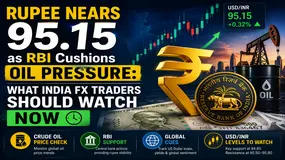
India's rupee is expected to open near 95.14-95.16 per US dollar after closing at 95.2075 on Friday, while Brent crude was quoted at $84.50 and RBI market presence supported the currency. This report separates a reported market intervention from a fixed exchange-rate target, explains why oil, US employment data and Federal Reserve expectations matter, and gives a practical risk checklist for forex trading India. It also explains why volatility is not a reason to trust unverified online forex trading platforms.
WikiFXWikiFXWikiFXWikiFXWikiFXWikiFXWikiFXWikiFXWikiFXWikiFX