


IG Review for India 2026: RBI Alert List, Regulation, Login, and Forex Risk
IG review for India in 2026: see the RBI Alert List entry, overseas regulation, login checks, forex limits, and a clear broker safety checklist.
Original

简体中文
繁體中文
English
Pусский
日本語
ภาษาไทย
Tiếng Việt
Bahasa Indonesia
Español
हिन्दी
Filippiiniläinen
Français
Deutsch
Português
Türkçe
한국어
العربية
اردو




Abstract:In an era where financial independence is marketed as just a few clicks away, online trading platforms have become fertile ground for a dangerous breed of digital deception with seductive fake promises including quick profits, little effort, and exclusive insights.
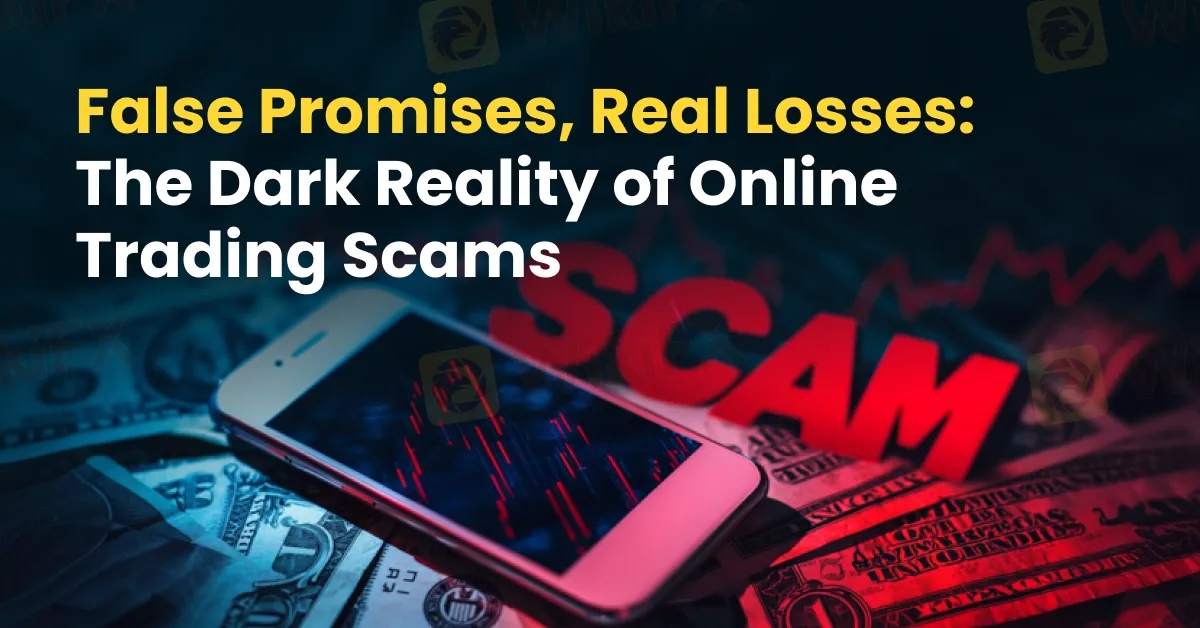
In an era where financial independence is marketed as just a few clicks away, online trading platforms have become fertile ground for a dangerous breed of digital deception. For every legitimate brokerage or trading educator, a legion of scammers lurks behind polished websites and persuasive ads, armed with a calculated playbook aimed at exploiting retail traders' hopes, inexperience, and FOMO (fear of missing out).
The promise is seductive: quick profits, little effort, and exclusive insights. But the reality for many retail investors is sobering. Rather than riding a bull market to financial freedom, they find themselves ensnared in a bear trap of manipulation, misdirection, and monetary loss.

Fraudsters frequently pose as trading gurus or representatives of well-known financial institutions. Leveraging doctored certifications, fake LinkedIn profiles, or AI-generated videos, they present a veneer of legitimacy. Phrases like “regulated by top-tier authorities” or “endorsed by global financial bodies” are liberally used without verifiable evidence. For victims, this false sense of security often lowers their guard.

Perhaps the most tell-tale sign is the promise of unrealistic returns. Claims of 20%, 50%, or even 100% profit in days or weeks are common bait. These are often backed by photoshopped account statements or staged testimonials. Initially, small withdrawals are permitted to build trust but once larger sums are deposited, communication ceases, and the traders funds disappear.

Scammers thrive on urgency. Limited-time offers, countdown timers, and exclusive ‘VIP’ opportunities are used to push users into hasty decisions. Victims are told they must “act now” to secure their financial future while simultaneously discouraging due diligence in the process.

Sophisticated schemes go further by creating clone websites or apps that mirror legitimate trading platforms. Victims unknowingly enter personal data or deposit funds into fraudulent accounts, believing they're engaging with trusted services. By the time discrepancies are noticed, the fraudsters have vanished.

A cruel twist in this saga is the follow-up scam. After suffering losses, victims are contacted by so-called “recovery experts” promising to retrieve lost funds, typically for a fee. Desperation often leads victims to fall twice.
While regulation is catching up, vigilance remains a trader's best defence. Investors should verify licences with financial authorities, be sceptical of pressure tactics, and avoid trading through social media channels or messaging apps. Crucially, if it sounds too good to be true, it likely is.
The digital trading revolution has empowered millions. But where there's money, there's malice. As scammers evolve in sophistication, so too must the awareness of retail traders. Education, scepticism, and regulatory enforcement are the only real tools to counter this enduring threat.

As incidents like this become increasingly common, tools such as WikiFX can play a vital role in helping individuals verify the legitimacy of brokers and financial platforms. WikiFX offers an extensive database of global broker profiles, regulatory status updates, and user reviews, enabling users to make informed decisions before committing to any financial investment. Its risk ratings and alerts for unlicensed or suspicious entities help investors easily spot red flags and avoid potential scams. By using tools like WikiFX to research a broker's background, individuals can safeguard their hard-earned savings and reduce the risk of falling victim to fraudulent schemes.

Disclaimer:
The views in this article only represent the author's personal views, and do not constitute investment advice on this platform. This platform does not guarantee the accuracy, completeness and timeliness of the information in the article, and will not be liable for any loss caused by the use of or reliance on the information in the article.
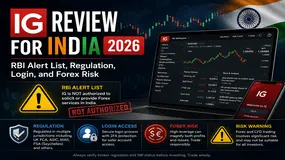
IG review for India in 2026: see the RBI Alert List entry, overseas regulation, login checks, forex limits, and a clear broker safety checklist.
Orbex, a Cyprus-based brokerage entity, has recorded 30 exposure complaints on WikiFX, a leading forex broker regulation inquiry tool, so far. Other review websites have also recorded a healthy number of complaints against the brokerage firm. These complaints largely talk about the alleged profit confiscations by the broker in the name of trading violations, difficulty in accessing fund withdrawals, capital losses due to artificial slippage, etc. In this Orbex review, we have investigated user complaints and provided a regulatory overview of the broker.
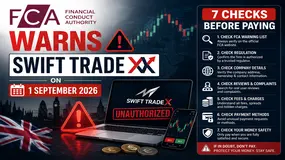
FCA warns Swift TradeX in a notice first published and updated on 1 September 2026. The UK Financial Conduct Authority says the firm may be providing or promoting financial services without permission, is not authorised, and may be targeting people in the UK. The notice names the website swifttradexai.com, a Worcester address and a UK telephone number, but also cautions that unauthorised businesses may use incorrect or borrowed contact details. The confirmed issue is authorisation status—not a court finding about every transaction. Anyone considering a payment should stop, verify the firm independently, and avoid using contact information supplied by the platform itself.
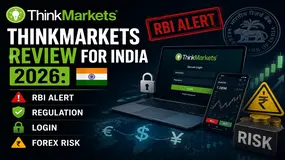
ThinkMarkets review for India: check the RBI Alert List, overseas entities, regulation, login security, forex rules, costs, withdrawals, and leverage risk.
WikiFXWikiFXWikiFXWikiFXWikiFXWikiFXWikiFXWikiFXWikiFXWikiFX