


FCA Warning Capital Zodiac 7 September 2026 and Seven Checks Before Paying
The FCA named Capital Zodiac as an unauthorised clone on 7 September 2026. Check capitalzodiac.com, capitalzodiac.net and FRN 806702 before paying.
Original

简体中文
繁體中文
English
Pусский
日本語
ภาษาไทย
Tiếng Việt
Bahasa Indonesia
Español
हिन्दी
Filippiiniläinen
Français
Deutsch
Português
Türkçe
한국어
العربية
اردو




Abstract:Identity theft is a critical issue affecting various sectors, and the forex trading industry is no exception.
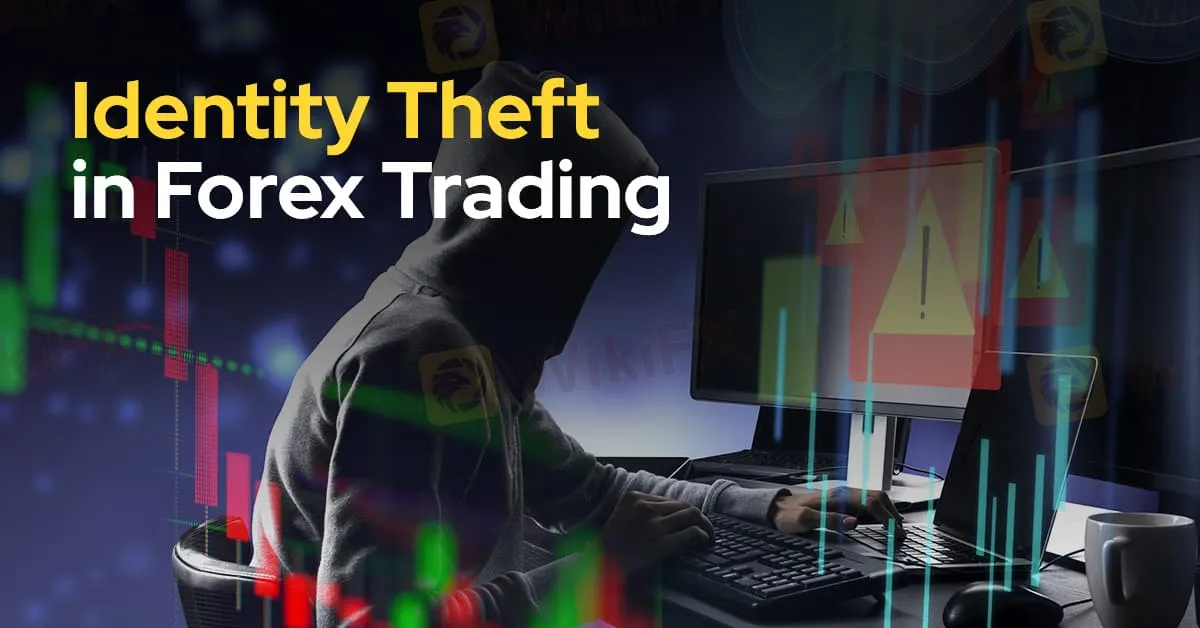
Identity theft is a critical issue affecting various sectors, and the forex trading industry is no exception. This form of fraud involves the unauthorized use of someone's personal information, such as their name, address, date of birth, and financial details, to open a forex trading account or carry out fraudulent transactions. As the forex market grows and evolves, so do the tactics employed by fraudsters to exploit vulnerabilities.
How Identity Theft Occurs in Forex Trading
Fraudsters use a variety of methods to obtain personal information, including:
Phishing Scams: Fraudsters may send deceptive emails or messages that appear to be from legitimate forex companies or financial institutions. These communications often include links to fake websites designed to collect personal and financial information.
Social Engineering: Scammers may use psychological manipulation to trick individuals into revealing sensitive information. This could involve pretending to be someone the victim knows or creating a sense of urgency to prompt the victim to disclose their details.
Data Breaches: Large-scale data breaches can expose vast amounts of personal information. When hackers gain access to databases containing sensitive data, they may use this information to commit identity theft in the forex sector.
Risks to Forex Companies
Forex companies face significant risks due to identity theft:
Opening Fraudulent Accounts: Fraudsters can open trading accounts using stolen identities. Once an account is established, they may execute unauthorized trades, manipulate markets, or withdraw funds fraudulently. This not only causes financial losses but also damages the company's reputation.
Fraudulent Transactions: With access to a victim's personal information, fraudsters may carry out fraudulent transactions that can disrupt trading activities and result in financial losses for both the company and its legitimate clients.
False Account Information: Forex companies may receive inaccurate or misleading information from clients. For instance, a client might provide false identification documents, employment details, or financial statements to open an account and engage in illegal activities, such as money laundering or market manipulation.
Mitigating Identity Theft Risks
To combat identity theft, forex companies should implement robust security measures:
Enhanced KYC Procedures: Strengthen Know Your Customer (KYC) protocols to verify the authenticity of client information. This may include biometric verification, additional documentation, and cross-checking information with official databases.
Anti-Fraud Technologies: Employ advanced technologies like artificial intelligence and machine learning to detect unusual trading patterns and identify potential fraudsters. These tools can analyze vast amounts of data to flag suspicious activities.
Employee Training: Regularly train employees to recognize phishing attempts, social engineering tactics, and other common fraud techniques. Ensuring staff are aware of these threats helps prevent security breaches and unauthorized access.
Data Protection Policies: Implement stringent data protection policies to secure client information. This includes encryption, secure storage, and regular audits to ensure compliance with data protection regulations.
Conclusion
Identity theft presents a significant threat to the forex trading industry, with the potential to cause financial damage and undermine client trust. By understanding the methods used by fraudsters and adopting comprehensive security measures, forex companies can better protect themselves and their clients from the adverse effects of identity theft. As the industry continues to grow, vigilance and proactive measures remain crucial in safeguarding against this evolving threat.

Disclaimer:
The views in this article only represent the author's personal views, and do not constitute investment advice on this platform. This platform does not guarantee the accuracy, completeness and timeliness of the information in the article, and will not be liable for any loss caused by the use of or reliance on the information in the article.
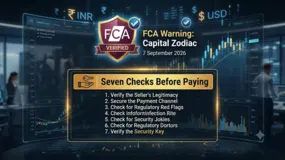
The FCA named Capital Zodiac as an unauthorised clone on 7 September 2026. Check capitalzodiac.com, capitalzodiac.net and FRN 806702 before paying.
This WEALTH-FX review starts with a licensing statement that needs verification. The client agreement on wealth-fx.com says the company is incorporated in St. Vincent and the Grenadines as 88102 LLC 2021 and is authorised and regulated by the SVG FSA. An official SVG FSA notice, however, says forex trading brokerage activities are not licensed in that jurisdiction. The same agreement separately names WealthFX Liquidity Limited, company 180782, and describes a Mauritius International License. For an India-based reader, those website claims do not replace RBI rules for permitted forex transactions or an independently confirmed licence record.
Did ePlanet, a Comoros-based brokerage, allegedly withhold your dollars on the platform? Did the broker prevent you from accessing the ePlanet login dashboard upon a withdrawal request? Did the broker platform execute trade orders slowly? Have you faced losses due to slippage? This ePlanet review 2026 evaluates user claims while also providing a regulatory overview of the broker.

FCA warns EXOTICINVEST in a notice first published and updated on 3 September 2026. The UK regulator identifies EXOTICINVEST TRADING AND INVESTMENT FIRM and the website www.exoticinvest.ltd, stating that the firm is not authorised and may be targeting people in the UK. This is a dated regulatory warning, not a customer review or a confirmed loss report. Anyone approached through the named website should stop before paying, avoid sharing login credentials and verify the exact business independently through the FCA Firm Checker.
WikiFXWikiFXWikiFXWikiFXWikiFXWikiFXWikiFXWikiFXWikiFXWikiFX