


IG Review for India 2026: RBI Alert List, Regulation, Login, and Forex Risk
IG review for India in 2026: see the RBI Alert List entry, overseas regulation, login checks, forex limits, and a clear broker safety checklist.
Original

简体中文
繁體中文
English
Pусский
日本語
ภาษาไทย
Tiếng Việt
Bahasa Indonesia
Español
हिन्दी
Filippiiniläinen
Français
Deutsch
Português
Türkçe
한국어
العربية
اردو




Abstract:Binance's legal challenges in Nigeria spotlight the complex interplay between global crypto platforms and regulatory bodies, urging industry evolution.

Recent events concerning Binance, the preeminent international cryptocurrency exchange, have highlighted the intricate relationship between regulatory authorities and digital finance platforms that scale globally. It has come to symbolize a turning point in the cryptocurrency industry. Amid these developing circumstances, a significant development transpired when one of the two executives under arrest in Nigeria for Binance managed to evade apprehension. This action has generated extensive discourse and apprehension throughout the industry. At the same time the incident transpired, the Nigerian government escalated its legal proceedings against Binance, lodging fresh accusations alleging regulatory non-compliance and tax evasion.
The Federal Inland Revenue Service (FIRS) of Nigeria expeditiously executed remedial actions after its announcement on Monday that four allegations submitted documents against Binance before the Federal High Court in Abuja. Value-added tax (VAT) and income tax evasion, failure to submit tax returns, and facilitating tax evasion on behalf of its users are among the charges levied against the cryptocurrency behemoth. These allegations, which have received coverage from numerous local media outlets, document the regulatory assault on cryptocurrency exchange operations in the nation.
The discovery that Nadeem Anjarwalla, a British executive of Binance based in Kenya, had escaped from an Abuja guesthouse where the Nigerian authorities had been keeping an eye on his detention alongside Tigran Gambaryan, a U.S. citizen and fellow executive, complicated the events as they were developing. In response to this unforeseen development, Binance issued the following statement: “We are committed to working with Nigerian authorities to promptly resolve the situation and ensure the safety of our employees is our top priority.”
Initiating dialogues with Interpol concerning a global arrest warrant regarding Anjarwalla's departure represents the Nigerian government's unwavering determination to address the situation seriously. The National Security Agency has not yet issued an official statement regarding the current status of these discussions, which therefore provides limited information.

Since their sudden apprehension without formal charges more than a month ago, Gambaryan and Anjarwalla's families have pleaded fervently for their release. The spouses of the detained executives, Elahe Anjarwalla and Yuki Gambaryan, have expressed their anguish and the familial repercussions of the situation in public. The effects of their spouses' continued detention and the consequent absence from important family gatherings are stressed.
The subsequent articles elucidate the depreciation of the Nigerian naira relative to other currencies and the rising demand for cryptocurrencies among Nigerians. Numerous individuals have resorted to utilizing cryptocurrencies' depreciation of the Nigerian naira relative to the dollar. A series of factors, including inflation and the volatile nature of the economy, contribute to this particular inclination.
The government has long assumed that the exchange's peer-to-peer trading structure encouraged speculative trading, devaluing the naira. Binance has paused its peer-to-peer services in response to Nigerian legislation and the claim. As a result, exchange operations no longer meet regulatory requirements.
This situation serves as an example of the increased level of international scrutiny that cryptocurrency platforms are subject to as governments work to regulate digital financial transactions and confirm compliance with domestic laws and policies. The situation involving Binance in Nigeria is a pertinent illustration of the complexities and difficulties that arise when sovereign regulatory mandates ensure fiscal compliance and protect national economic interests while at the same time fostering innovation in digital finance.
The ongoing developments about Binance in Nigeria will imperiously scrutinize regulators, exchanges, and consumers in the ongoing evolution of the cryptocurrency sector. It underscores the importance of implementing a well-rounded approach that promotes progress and ingenuity in the digital finance sector while ensuring adherence to legal and regulatory frameworks that protect domestic interests and foster financial stability.

Disclaimer:
The views in this article only represent the author's personal views, and do not constitute investment advice on this platform. This platform does not guarantee the accuracy, completeness and timeliness of the information in the article, and will not be liable for any loss caused by the use of or reliance on the information in the article.
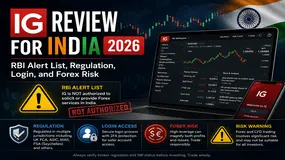
IG review for India in 2026: see the RBI Alert List entry, overseas regulation, login checks, forex limits, and a clear broker safety checklist.
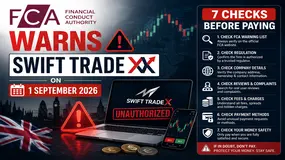
FCA warns Swift TradeX in a notice first published and updated on 1 September 2026. The UK Financial Conduct Authority says the firm may be providing or promoting financial services without permission, is not authorised, and may be targeting people in the UK. The notice names the website swifttradexai.com, a Worcester address and a UK telephone number, but also cautions that unauthorised businesses may use incorrect or borrowed contact details. The confirmed issue is authorisation status—not a court finding about every transaction. Anyone considering a payment should stop, verify the firm independently, and avoid using contact information supplied by the platform itself.
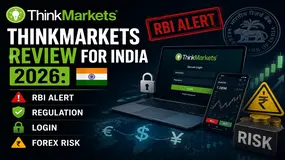
ThinkMarkets review for India: check the RBI Alert List, overseas entities, regulation, login security, forex rules, costs, withdrawals, and leverage risk.
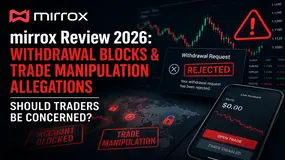
Did mirrox, a brokerage firm, ask you to keep your margin level above 250%-300% and make you add funds immediately if it dropped below it? Did the broker prevent you from opening a trade despite having a healthy equity balance? Did it close your trading account upon a withdrawal request? Many traders have raised these concerns online while sharing their respective mirrox reviews. This article aims to examine these user allegations while answering the popular question: Is mirrox legit or a scam?
WikiFXWikiFXWikiFXWikiFXWikiFXWikiFXWikiFXWikiFXWikiFXWikiFX