


India Q1 FY27 GDP Growth Hits 7.8%: 3 Scenarios for INR and Gold
India's Q1 FY27 GDP grew 7.8%, beating a 7.4% poll and RBI's 7.0% projection. See three conditional scenarios for INR, rates and gold.
Original

简体中文
繁體中文
English
Pусский
日本語
ภาษาไทย
Tiếng Việt
Bahasa Indonesia
Español
हिन्दी
Filippiiniläinen
Français
Deutsch
Português
Türkçe
한국어
العربية
اردو




Abstract:Safest forex broker selection: Check regulation, spot scams, read reviews, and verify licenses via the WikiFX app. Avoid fraud—trade securely today!
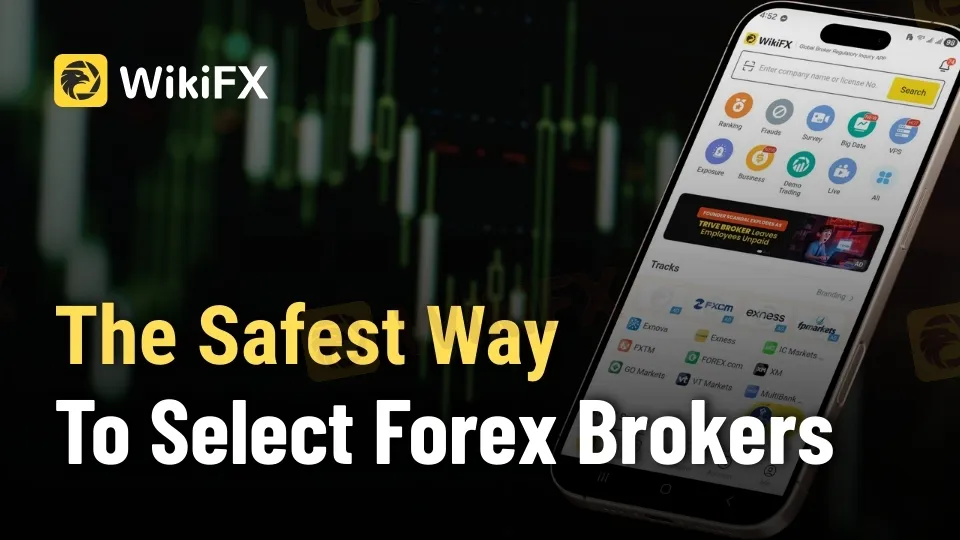
Forex trading offers opportunities but also carries significant risks, especially from unscrupulous brokers who scam traders out of millions of dollars each year. Choosing safe forex brokers starts with rigorous checks into their regulatory oversight to protect your capital from fraud. This guide outlines practical steps to spot regulated forex brokers, avoid forex scams, and use tools like the WikiFX app for verification.
 Contents
Regulation ensures that brokers follow strict rules that protect traders. Bodies such as the UK‘s Financial Conduct Authority (FCA) require client fund segregation, transparent pricing, and negative balance protection, thereby minimizing losses in the event of a broker's failure. Australia’s ASIC has mandated minimum capital of $1 million and leverage limits for retail clients since 2021, enforcing fair trading and swift action against misconduct.
The US National Futures Association (NFA), under CFTC oversight, registers brokers, audits compliance, and limits leverage to 50:1 on major currency pairs. These regulators impose fines or bans for violations, creating accountability absent in unregulated markets.
Compliance builds trust; for example, FCA rules ban hidden fees so traders can focus on the markets.
Scammers lure with guaranteed profits or high returns with no risk, a classic tactic that defies market realities. Pressure selling urges quick deposits to “secure limited offers,” blocking rational decisions.
Fake websites mimic legit brokers, while clone firms steal identities of regulated ones. Watch for unregulated status, opaque fees, or withdrawal hurdles, such as sudden “taxes” on profits.
Suspicious support—vague responses or no documentation—signals trouble. For instance, signal sellers or fake bots promise easy wins but then vanish after the deposit is made.
Authentic reviews reveal execution issues or payout delays, while fake testimonials ignore them. Cross-check on independent sites like WikiFX to avoid broker-sponsored praise.
Look for patterns: repeated withdrawal complaints outweigh isolated positives. WikiFX aggregates user feedback and flags brokers with scores below 5/10 as risky.
Verify reviewer history; long-term users carry more weight than new accounts. Combine with regulation checks for balanced views.
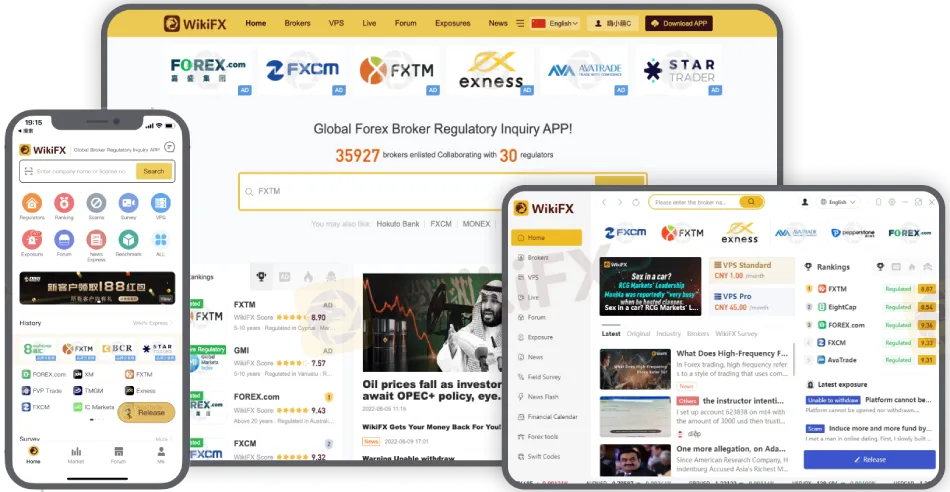
Get WikiFX from app stores or wikifx.com to access global broker data. Search a brokers name for licenses, ratings, complaints, and exposures.
Tap “Licenses” to view FCA numbers or ASIC AFSL status with expiry dates. Check “Exposures” for scam alerts and surveys verifying offices.
WikiFX ratings weigh regulation, user feedback, and complaints; low scores alert to risk. For ASIC, match AFSL via WikiFXs regulator page.
Unlicensed brokers offer high leverage but no fund protection, enabling outright theft. Traders face manipulated prices, blocked withdrawals, or platforms that have vanished.
In one case, a victim deposited thousands into a fake binary/forex firm showing fake profits, then paid invented “taxes” before trades failed and funds were locked, losing $50,000. Vietnams $200M scam by Pho Duc Nam and Le Khac Ngo targeted forex with phony platforms, wiping billions in dong.
Offshore “regulators” lack enforcement. Choose tier-1 oversight, such as FCA, ASIC, or NFA.
WikiFX flags brokers based on low scores, high complaint volumes, and investigations. Recent exposures include HTFX (score 2.45) for withdrawal blocks and MultiBank Group (2.59) despite longevity, with 700+ complaints.
Get alerts on new risks; “Rights Protection” tracks resolutions worth millions. Real-time rankings show stop-outs and spreads, helping you choose brokers based on data.
Statistics like WikiFX scores prioritize regulated forex brokers over promises. NFAs BASIC tool verifies US firms; matches IDs across CFTC/NFA databases.
Compare spreads, leverage via tables:
| Regulator | Key Protections | Leverage Limits (Majors) | Verification Tool |
| FCA | Fund segregation, transparency | Varies, risk warnings | FCA Register |
| ASIC | $1M capital, AFSL audits | 30:1 retail | ASIC Registers |
| NFA | Audits, 50:1 leverage | 50:1 | BASIC Portal |
Ratings and complaints guide beyond marketing.
Diligence through regulation and tools like WikiFX protects capital in volatile forex markets. Verify every broker before depositing. Download WikiFX today, check licenses, and trade only with safe forex brokers—secure your funds from scams.
Disclaimer:
The views in this article only represent the author's personal views, and do not constitute investment advice on this platform. This platform does not guarantee the accuracy, completeness and timeliness of the information in the article, and will not be liable for any loss caused by the use of or reliance on the information in the article.
India's Q1 FY27 GDP grew 7.8%, beating a 7.4% poll and RBI's 7.0% projection. See three conditional scenarios for INR, rates and gold.
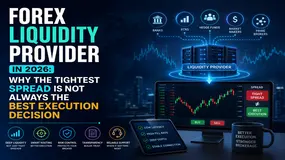
Choosing a forex liquidity provider is not a search for the lowest displayed spread or the longest provider list. It is a broker decision about pricing integrity, depth, routing, credit, reporting, incident response, and client communication. This 2026 guide explains how a forex LP, FX liquidity provider, or liquidity provider forex arrangement fits into a broker’s execution chain; what to test before onboarding; why a “best forex liquidity provider” claim cannot replace due diligence; and how to compare cost beyond commission. Use the execution-quality scorecard, provider questions, routing scenarios, and 90-day onboarding plan to assess whether a liquidity relationship can support your actual client mix, instruments, risk model, and jurisdiction. The goal is not to make a universal ranking. It is to build evidence that your broker can explain, supervise, reconcile, and recover its execution service when market conditions are difficult.
The visible fee in an MT4 white label proposal is rarely the real cost of operating it. For an existing broker, the decision is not simply whether an MT4 white label platform is “cheap” or “expensive.” The real question is whether the commercial model remains viable after integration, support, data, client migration, compliance, and exit costs are included. That is why an MT4 white label cost review should be built as a 24- to 36-month operating case. It should compare three credible choices: 1. Keep the present MT4 setup and improve its weakest controls. 2. Replace the MT4 white label provider but retain the client proposition. 3. Migrate selected clients or products to another platform while running MT4 in parallel. This guide explains how to build that case without relying on headline prices or generic vendor claims.
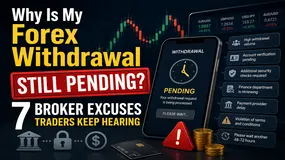
Withdrawal delays are precisely the complaint we keep receiving on WikIFX, a veteran in the forex regulation inquiry space. While some users receive withdrawal access initially and find rejections on their applications later, some fail to receive a single approval. Some delays usually result from genuine compliance requirements that brokers need to adhere to. However, in many cases, traders have accused the broker of repeated excuses as part of its alleged strategy to deny a seamless fund release. A pending withdrawal cannot be an outright indicator of fraudulent activity. Financial institutions, including forex brokerage entities, need to abide by the anti-money laundering (AML) and Know Your Customer (KYC) regulations. However, as the monitoring process stretches beyond weeks or months, traders become frustrated and raise questions over the broker’s reliability.
WikiFXWikiFXWikiFXWikiFXWikiFXWikiFXWikiFXWikiFXWikiFXWikiFX