


India Q1 FY27 GDP Growth Hits 7.8%: 3 Scenarios for INR and Gold
India's Q1 FY27 GDP grew 7.8%, beating a 7.4% poll and RBI's 7.0% projection. See three conditional scenarios for INR, rates and gold.
Original

简体中文
繁體中文
English
Pусский
日本語
ภาษาไทย
Tiếng Việt
Bahasa Indonesia
Español
हिन्दी
Filippiiniläinen
Français
Deutsch
Português
Türkçe
한국어
العربية
اردو




Abstract:New to forex? Learn key regulation basics—check FCA, ASIC, CFTC rules, verify licenses easily with the WikiFX App, spot scam signs, and use our checklist to pick safe brokers. Protect your money and trade confidently!
 Contents
In the volatile world of forex trading, understanding broker regulation is crucial to safeguard your capital and ensure fair practices. Bodies such as the UK‘s Financial Conduct Authority (FCA), Australia’s ASIC, and the USs CFTC enforce strict standards to protect traders from fraud and mismanagement. Regulated brokers must segregate client funds, undergo regular audits, and provide transparent execution, fostering trust and ethical trading. This oversight minimizes risks like insolvency or manipulation, empowering traders with recourse through compensation schemes. Dive into how regulation works and secures your funds for confident trading.
Forex broker regulation refers to oversight by governmental or self-regulatory bodies that license brokers, enforce operational standards, and protect retail traders worldwide. Its primary purpose is to ensure fair practices, transparency, and client fund safety through rules on capital adequacy, leverage limits, and reporting. Globally, governmental regulators like the FCA, ASIC, and CFTC dominate, while self-regulatory organizations such as the US National Futures Association (NFA) supplement enforcement.
These regulators require brokers to register, meet minimum capital requirements (e.g., £75,000 for FCA limited licenses), and undergo regular audits. Traders benefit from fair environments where disputes are handled by ombudsmen or courts, unlike unregulated territory ripe for scams. Selecting strictly regulated brokers cuts manipulation risks and ensures order, since unlicensed outfits often lead to losses.
In practice, regulation mandates risk disclosures, segregated accounts, and leverage caps (e.g., 1:30 under FCA), promoting long-term trader confidence.
Regulation protects funds with strict capital rules, forcing brokers to maintain ample reserves against risk. Independent audits verify solvency and compliance, reducing insolvency threats. Risk management policies, such as leverage caps and margin calls, curb excess exposure.
Key mechanisms include segregated client accounts, in which trader funds are ring-fenced from broker operational funds at tier-1 banks such as Barclays. Risk disclosure statements educate on potential losses, while compensation schemes reimburse up to defined limits if brokers fail. Regulators monitor for fraud through transaction surveillance and whistleblower programs, imposing fines or revocations for violations.
This framework deters manipulation, such as stop-hunting or fake quotes, as seen in CFTC enforcement actions. Overall, these protections create a secure ecosystem, with segregated accounts enabling swift withdrawals even in crises.
FCA (UK)
The Financial Conduct Authority (FCA) supervises UK forex brokers with stringent consumer protections, including segregated funds at tier-1 banks and participation in the FSCS, which covers up to £85,000-£120,000 per client. Compliance mandates include leverage limits of 1:30, negative balance protection, and transparent pricing. Well-regarded brokers under FCA oversight include Pepperstone (FRN 684312), IG, and Forex.com. The FCA is recognized globally for its strict auditing requirements and comprehensive warning lists.
ASIC (Australia)
Australias ASIC requires forex brokers to hold a minimum capital of $1 million, maintain segregated client funds in tier-1 banks, and participate in investor compensation schemes. They emphasize mandatory risk warnings and require AFSL licensing, which can be verified via ASIC Connect. Representative ASIC-regulated brokers include Eightcap and IC Markets. ASIC is known for proactive enforcement against misleading promotions.
CFTC (USA)
The Commodity Futures Trading Commission (CFTC), with NFA support, regulates US forex through RFED registration, 50:1 major-pair leverage, and anti-fraud monitoring. It enforces capital rules and disclosures; brokers like OANDA comply. CFTCs strength lies in civil penalties and market integrity.
FCA prioritizes retail safeguards, ASIC operational resilience, and CFTC leverage controls, all of which enhance fair global trading.
Unregulated forex brokers often hide licensing details or flaunt obscure “regulators” without verifiable registries. Warning signs include unrealistic profit guarantees (e.g., “100% returns”), high-pressure sales, and withdrawal delays. Poor transparency, such as missing company addresses or fine-print fees, signals scams exploiting novice trust.
Quick checks: For FCA, search the Financial Services Register at register.fca.org.uk using firm name or FRN. ASIC verification via ASIC Connect (asic.gov.au) matches AFSL numbers. CFTC uses NFAs BASIC tool. Scam brokers mimic legitimacy but fail official lookups, often operating offshore without oversight.
Red flags also encompass hidden spreads, inactivity fees, or bonuses with impossible terms. Always cross-verify claims independently to avoid fund losses.
Segregated accounts separate client deposits from a brokers operational funds, keeping them in dedicated bank accounts at reputable institutions. This prevents brokers from using trader money for business expenses or trading against clients. Regulators like FCA and ASIC mandate this for all licensed firms.
In insolvency, segregated funds remain untouched, enabling quick returns to traders via bankruptcy proceedings. Benefits include greater transparency through audit reports, faster withdrawals without liquidity issues from brokers, and reduced risk of misuse. Regular reconciliations ensure balances match client records.
This practice builds trust, as clients know their capital is insulated from broker failures.
Compensation schemes reimburse traders if regulated brokers fail due to insolvency or misconduct. The UKs Financial Services Compensation Scheme (FSCS) covers eligible retail clients up to £85,000-£120,000 per person for unauthorized firms unable to pay claims. Eligibility requires FCA authorization and no professional status waiver; the claims process is automatic upon proof of eligibility.
CySECs Investor Compensation Fund (ICF) protects EU clients up to €20,000 per client for covered services if a member defaults financially. It applies post-CySEC ruling, excluding money laundering cases, and calculates based on verified claims.
These schemes, funded by levies on firms, boost confidence by providing a safety net, though they dont cover market losses. Traders must confirm their eligibility via the regulator's websites.
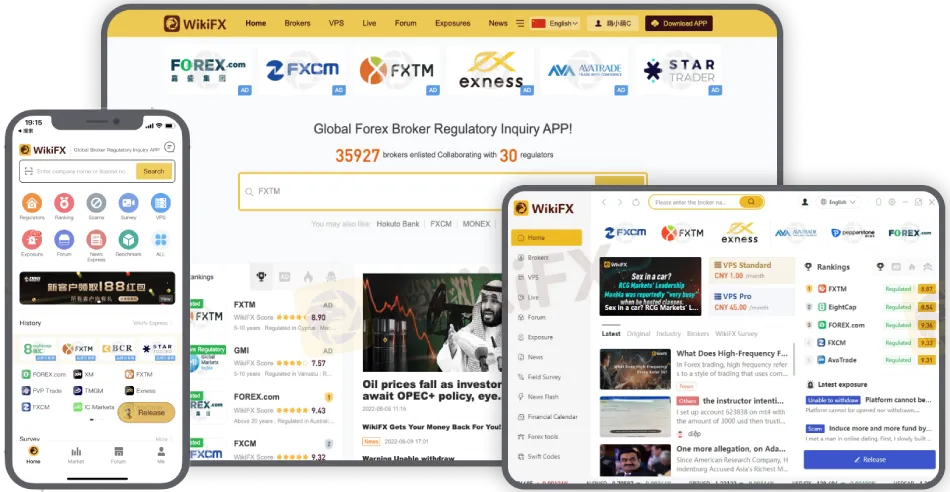
The WikiFX App offers a user-friendly platform for verifying forex broker licenses globally by aggregating data from regulators. Download from App Store or Google Play, then search by broker name for instant profiles.
Step-by-step: 1) Enter broker name (e.g., AvaTrade); 2) Review “Licenses” tab for regulator details, status (active/expired), and numbers. 3) Check rating system (0-10 scale) based on regulation, complaints, and risk. 4) View risk alerts, complaints, and platform verification. 5) Cross-reference with official sites like the FCA Register.
Key features include multi-jurisdiction scans, credit reports, and scam exposure, enabling quick global checks. WikiFX enhances transparency, helping to efficiently avoid fakes.
Follow this ordered checklist to assess any broker:
Final tips: Avoid offshore clones; prioritize Tier-1 regulators; re-verify periodically. Trade responsibly on verified platforms for safety.
Forex regulation by bodies such as the FCA, ASIC, and CFTC ensures client funds are protected through segregation, audits, and compensation up to £120,000 or €20,000. Continuous verification using registries and WikiFX helps prevent scams and supports secure trading. Choose a licensed broker today—follow these steps now for peace of mind.

Disclaimer:
The views in this article only represent the author's personal views, and do not constitute investment advice on this platform. This platform does not guarantee the accuracy, completeness and timeliness of the information in the article, and will not be liable for any loss caused by the use of or reliance on the information in the article.

India's Q1 FY27 GDP grew 7.8%, beating a 7.4% poll and RBI's 7.0% projection. See three conditional scenarios for INR, rates and gold.

Choosing a forex liquidity provider is not a search for the lowest displayed spread or the longest provider list. It is a broker decision about pricing integrity, depth, routing, credit, reporting, incident response, and client communication. This 2026 guide explains how a forex LP, FX liquidity provider, or liquidity provider forex arrangement fits into a broker’s execution chain; what to test before onboarding; why a “best forex liquidity provider” claim cannot replace due diligence; and how to compare cost beyond commission. Use the execution-quality scorecard, provider questions, routing scenarios, and 90-day onboarding plan to assess whether a liquidity relationship can support your actual client mix, instruments, risk model, and jurisdiction. The goal is not to make a universal ranking. It is to build evidence that your broker can explain, supervise, reconcile, and recover its execution service when market conditions are difficult.
The visible fee in an MT4 white label proposal is rarely the real cost of operating it. For an existing broker, the decision is not simply whether an MT4 white label platform is “cheap” or “expensive.” The real question is whether the commercial model remains viable after integration, support, data, client migration, compliance, and exit costs are included. That is why an MT4 white label cost review should be built as a 24- to 36-month operating case. It should compare three credible choices: 1. Keep the present MT4 setup and improve its weakest controls. 2. Replace the MT4 white label provider but retain the client proposition. 3. Migrate selected clients or products to another platform while running MT4 in parallel. This guide explains how to build that case without relying on headline prices or generic vendor claims.
Withdrawal delays are precisely the complaint we keep receiving on WikIFX, a veteran in the forex regulation inquiry space. While some users receive withdrawal access initially and find rejections on their applications later, some fail to receive a single approval. Some delays usually result from genuine compliance requirements that brokers need to adhere to. However, in many cases, traders have accused the broker of repeated excuses as part of its alleged strategy to deny a seamless fund release. A pending withdrawal cannot be an outright indicator of fraudulent activity. Financial institutions, including forex brokerage entities, need to abide by the anti-money laundering (AML) and Know Your Customer (KYC) regulations. However, as the monitoring process stretches beyond weeks or months, traders become frustrated and raise questions over the broker’s reliability.
WikiFXWikiFXWikiFXWikiFXWikiFXWikiFXWikiFXWikiFXWikiFXWikiFX