


India Q1 FY27 GDP Growth Hits 7.8%: 3 Scenarios for INR and Gold
India's Q1 FY27 GDP grew 7.8%, beating a 7.4% poll and RBI's 7.0% projection. See three conditional scenarios for INR, rates and gold.
Original

简体中文
繁體中文
English
Pусский
日本語
ภาษาไทย
Tiếng Việt
Bahasa Indonesia
Español
हिन्दी
Filippiiniläinen
Français
Deutsch
Português
Türkçe
한국어
العربية
اردو




Abstract:Learn why people fall for online trading scams, common tactics used by scammers, psychological triggers, red flags, and how to protect yourself from fraud.
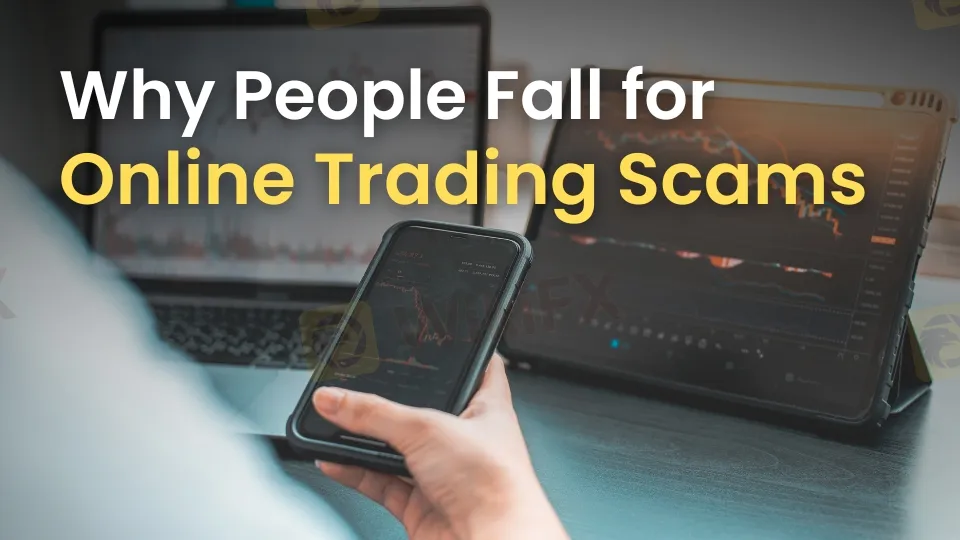
The internet today makes it easy for anyone to try growing their money through trading. Its exciting to think about turning a small amount into a big profit from your phone or computer. But this ease comes with a catch—online trading scams are everywhere. These scams trick people who want to make smart investments, using their dreams and trust against them. They can look like fake emails or pretend trading sites that promise big money with almost no chance of losing.
To stay safe, it helps to know how these scams work and why theyre so good at fooling people. This article will break down the tricks scammers use, the feelings they play with, and simple ways to spot trouble before it gets you.
Common Tactics Used in Online Trading Scams
Scammers are sneaky and have lots of ways to pull people in. One big trick is saying you‘ll get rich fast. They’ll put up ads or websites that shout things like “Make millions in a month!” These promises grab your attention and make you think you‘ve found a secret to success that others don’t know about.
Another move they use is fake proof. They show made-up stories from “happy customers” who say they got rich quickly. Sometimes they even pretend famous people back their ideas to make them look real. It‘s all a lie to make you believe it’s safe to jump in.
There‘s also something called a Ponzi scheme. Here, scammers take money from new people to pay the older ones, so it looks like everyone’s winning. But when not enough new people join, it falls apart, and most lose everything they put in.
Fake trading websites are super common too. These look just like real ones, with nice designs and tools that seem helpful. You put your money in, but when you try to take it out, it‘s gone—or the whole site vanishes. They’re so good at copying real sites that it‘s tough to tell what’s fake unless you look closely.

Psychological Triggers Behind Scams in Trading
Why do these scams work? It‘s all about how our minds work. One big reason is wanting more money fast. Scammers know some people really need cash or just want to get ahead quickly. They dangle huge rewards with no hard work, and that’s hard to say no to when youre hoping for a break.
Fear of missing out—called FOMO—is another trap. Scammers say things like “Act now or lose your chance!” They might add timers or say only a few spots are left. This makes you panic and sign up without thinking it through.
Trust is a weak spot too. If a scam comes from someone you know or a person online who seems smart, you might not question it. Scammers use popular faces—like YouTubers or X users with lots of followers—to push their lies. Seeing someone you like talk it up can trick your brain into trusting too much.
People also like feeling in charge. Scammers offer tools or sites that make you think youre running the show with your money. This fake control makes you feel safe taking bigger risks than you should.
How Scammers Exploit Investor Emotions
Feelings are a huge part of why these scams catch people. Scammers are pros at using them against you.
Hope is a big one. Lots of folks start trading because they want a better life—maybe to pay bills or save for something special. Scammers promise easy wins that spark hope, hiding the danger so you dont see it coming.
Desperation works too. If youre broke or worried about money, a “fix-everything” deal sounds perfect. Scammers push these fast solutions hard, making you act before you can think straight.
Confidence can trip you up as well. If you make a little money at first, you might feel like a trading genius. Scammers love this—theyll offer bigger, riskier deals to keep you hooked. By the time you lose, your cash is long gone.
Then there‘s wanting to fit in. Scammers show fake groups of “winners” online, sharing big success stories. It makes you feel like you’re joining a cool club, and that peer pressure pushes you to invest without checking facts.
Red Flags to Spot an Online Trading Scam
You can spot scams if you know what to look for. Here are some easy signs:
Protecting Yourself from Fraudulent Trading Schemes
Heres how to keep your money safe:
In the end, online trading scams are tricky, but you can beat them. Learn their games, watch for warning signs, and take it slow. By staying smart and careful, you can keep your money safe and still grow it the right way.

Disclaimer:
The views in this article only represent the author's personal views, and do not constitute investment advice on this platform. This platform does not guarantee the accuracy, completeness and timeliness of the information in the article, and will not be liable for any loss caused by the use of or reliance on the information in the article.
India's Q1 FY27 GDP grew 7.8%, beating a 7.4% poll and RBI's 7.0% projection. See three conditional scenarios for INR, rates and gold.

Choosing a forex liquidity provider is not a search for the lowest displayed spread or the longest provider list. It is a broker decision about pricing integrity, depth, routing, credit, reporting, incident response, and client communication. This 2026 guide explains how a forex LP, FX liquidity provider, or liquidity provider forex arrangement fits into a broker’s execution chain; what to test before onboarding; why a “best forex liquidity provider” claim cannot replace due diligence; and how to compare cost beyond commission. Use the execution-quality scorecard, provider questions, routing scenarios, and 90-day onboarding plan to assess whether a liquidity relationship can support your actual client mix, instruments, risk model, and jurisdiction. The goal is not to make a universal ranking. It is to build evidence that your broker can explain, supervise, reconcile, and recover its execution service when market conditions are difficult.
The visible fee in an MT4 white label proposal is rarely the real cost of operating it. For an existing broker, the decision is not simply whether an MT4 white label platform is “cheap” or “expensive.” The real question is whether the commercial model remains viable after integration, support, data, client migration, compliance, and exit costs are included. That is why an MT4 white label cost review should be built as a 24- to 36-month operating case. It should compare three credible choices: 1. Keep the present MT4 setup and improve its weakest controls. 2. Replace the MT4 white label provider but retain the client proposition. 3. Migrate selected clients or products to another platform while running MT4 in parallel. This guide explains how to build that case without relying on headline prices or generic vendor claims.
Withdrawal delays are precisely the complaint we keep receiving on WikIFX, a veteran in the forex regulation inquiry space. While some users receive withdrawal access initially and find rejections on their applications later, some fail to receive a single approval. Some delays usually result from genuine compliance requirements that brokers need to adhere to. However, in many cases, traders have accused the broker of repeated excuses as part of its alleged strategy to deny a seamless fund release. A pending withdrawal cannot be an outright indicator of fraudulent activity. Financial institutions, including forex brokerage entities, need to abide by the anti-money laundering (AML) and Know Your Customer (KYC) regulations. However, as the monitoring process stretches beyond weeks or months, traders become frustrated and raise questions over the broker’s reliability.
WikiFXWikiFXWikiFXWikiFXWikiFXWikiFXWikiFXWikiFXWikiFXWikiFX