


IG Review for India 2026: RBI Alert List, Regulation, Login, and Forex Risk
IG review for India in 2026: see the RBI Alert List entry, overseas regulation, login checks, forex limits, and a clear broker safety checklist.
Original

简体中文
繁體中文
English
Pусский
日本語
ภาษาไทย
Tiếng Việt
Bahasa Indonesia
Español
हिन्दी
Filippiiniläinen
Français
Deutsch
Português
Türkçe
한국어
العربية
اردو




Abstract:UK consumers lose £2,437 on average to WhatsApp scams. Revolut demands stricter verification and AI monitoring to combat rising fraud on Meta platforms.
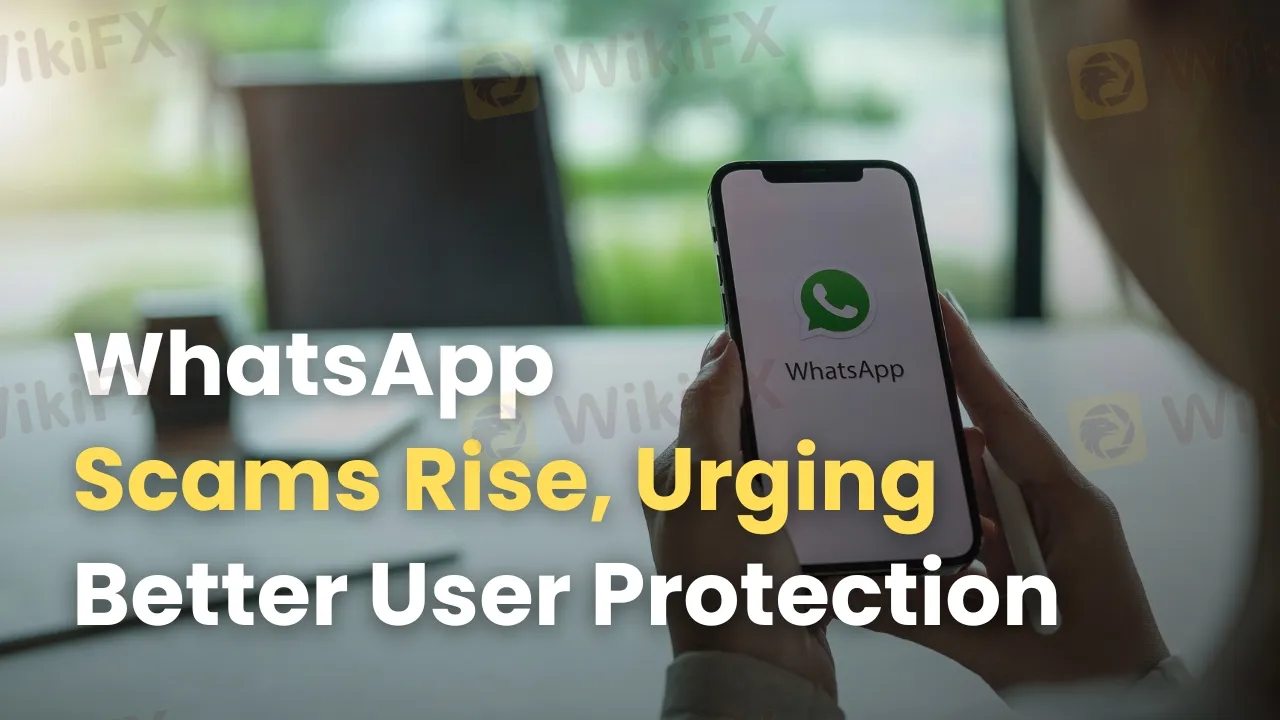
The alarming rise of WhatsApp scams in 2024 has left UK consumers reeling, with fintech leader Revolut exposing the devastating financial toll. According to Revolut‘s latest Consumer Security and Financial Crime Report, Brits lost an average of £2,437 per scam on WhatsApp, despite the app’s reputation for secure, encrypted messaging. Woody Malouf, Revolut‘s head of financial crime, didn’t mince words: “WhatsApp has a fundamental responsibility to protect its users, and their current approach is clearly failing.”
Revolut‘s data paints a grim picture. In 2024, WhatsApp scams accounted for 21% of all reported fraud cases in the UK—more than any other European country. The numbers reveal a staggering 33% spike in WhatsApp scams from the first half of the year to the second, outpacing Instagram scams, which grew by 16%. Meanwhile, Facebook scams dropped by 31%, with victims losing an average of £478—far less than WhatsApp’s hefty toll.
The report underscores a broader trend: Meta platforms, including WhatsApp, dominated global scams in 2024, making up 58% of cases. Yet, not all tech giants struggle equally. Google, with its vast user base, accounted for just 0.09% of fraud incidents, suggesting big tech can curb fraud effectively when proactive measures are in place.

So why are WhatsApp scams thriving? Malouf points to a false sense of security. “The illusion of security on encrypted messaging apps like WhatsApp is being ruthlessly exploited by criminals,” he said. Many users assume a message from a known number is legitimate, lowering their defenses. But encryption, while safeguarding privacy, offers no shield against fraudsters whove infiltrated personal networks.
Revolut‘s findings suggest consumers are more vulnerable on WhatsApp than anywhere else, possibly because they trust the platform too much. Criminals exploit this, targeting users with sophisticated schemes. “We’re seeing consumers increasingly letting their guards down to messages received on WhatsApp more than any other platform,” Malouf added.
To combat this, Revolut is pushing for change. The digital bank calls for stricter verification on Meta platforms, AI-powered monitoring, and deeper collaboration between banks and law enforcement. They also argue social media giants like Meta should help reimburse victims—a stance echoed in their October critique of Metas “woefully short” data-sharing efforts with UK financial institutions.
Ironically, Revolut‘s own fraud record isn’t spotless. A BBC Panorama investigation last year found the bank topped UK fraud complaints, with £756,000 of every £1m deposited linked to authorized push payment (APP) fraud—dwarfing rival Monzo‘s £183,000 per £1m. Revolut insists it’s cut fraud by 20% and adheres to strict regulations, but the figures raise questions about its authority to critique others.
Still, the WhatsApp scam surge is undeniable. As fraudsters adapt, encrypted messaging‘s promise of safety feels more like a liability. For UK consumers, the cost is steep—both financially and emotionally. Revolut’s report is a wake-up call: stronger protections are urgently needed, and WhatsApp must step up before more lives are “devastated.”

Disclaimer:
The views in this article only represent the author's personal views, and do not constitute investment advice on this platform. This platform does not guarantee the accuracy, completeness and timeliness of the information in the article, and will not be liable for any loss caused by the use of or reliance on the information in the article.
IG review for India in 2026: see the RBI Alert List entry, overseas regulation, login checks, forex limits, and a clear broker safety checklist.

Orbex, a Cyprus-based brokerage entity, has recorded 30 exposure complaints on WikiFX, a leading forex broker regulation inquiry tool, so far. Other review websites have also recorded a healthy number of complaints against the brokerage firm. These complaints largely talk about the alleged profit confiscations by the broker in the name of trading violations, difficulty in accessing fund withdrawals, capital losses due to artificial slippage, etc. In this Orbex review, we have investigated user complaints and provided a regulatory overview of the broker.
FCA warns Swift TradeX in a notice first published and updated on 1 September 2026. The UK Financial Conduct Authority says the firm may be providing or promoting financial services without permission, is not authorised, and may be targeting people in the UK. The notice names the website swifttradexai.com, a Worcester address and a UK telephone number, but also cautions that unauthorised businesses may use incorrect or borrowed contact details. The confirmed issue is authorisation status—not a court finding about every transaction. Anyone considering a payment should stop, verify the firm independently, and avoid using contact information supplied by the platform itself.
ThinkMarkets review for India: check the RBI Alert List, overseas entities, regulation, login security, forex rules, costs, withdrawals, and leverage risk.
WikiFXWikiFXWikiFXWikiFXWikiFXWikiFXWikiFXWikiFXWikiFXWikiFX